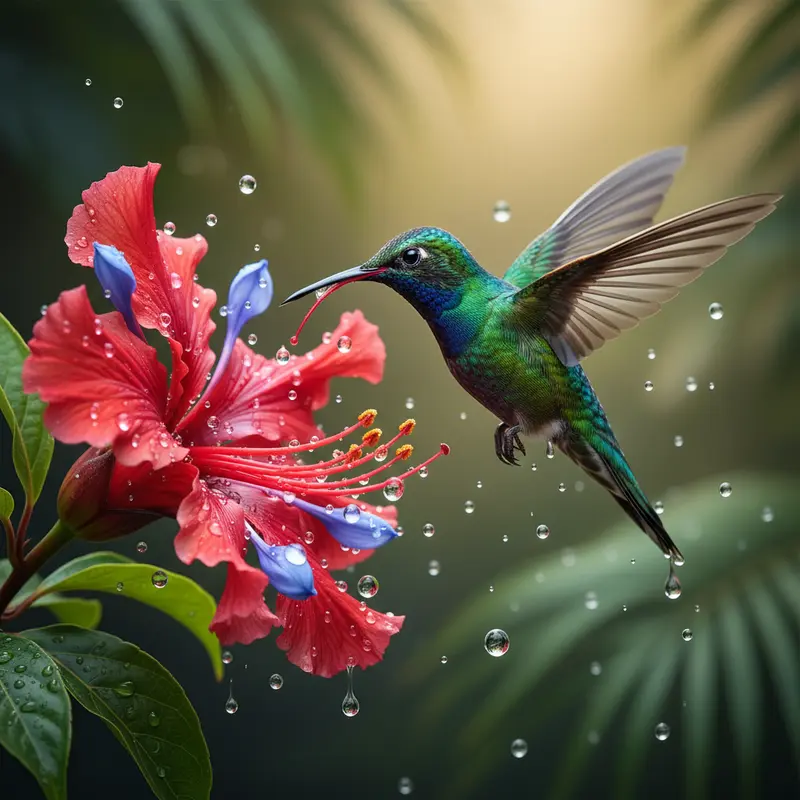
Nano Banana (Googles bildemodell) er den beste pris-per-kvalitet bildegeneratoren i 2026 med god margin. Men som alle AI-modeller er den følsom for promptstruktur. Dette er de 17 mønstrene som konsekvent gir publiserbart resultat i vår butikk.
Strukturen som alltid fungerer
De fleste vellykkede Nano Banana prompts følger denne formen:
[SUBJEKT] + [HANDLING/POSE] + [MILJØ] + [BELYSNING] + [KAMERA/LINSE] + [STIL]Eksempel:
"En rød rev (SUBJEKT) som sitter oppreist (HANDLING) i frisk snø ved kanten av en furuskog (MILJØ), bakbelyst av gyllen time solnedgang (BELYSNING), tatt med 85mm med lav dybdeskarphet (KAMERA), foto-realistisk (STIL)"
17 mønstre, klar til å kopiere og lime inn
Produktfotografi
- "[Produkt] på [overflate], studio softbox, ren hvit bakgrunn, reklamefotografi, makrolinse"
- "[Produkt] svevende i luften, dramatisk kantbelysning, e-handel hero shot, ultra-skarpt"
Portrett
- "[Subjektbeskrivelse], naturlig dagslys fra vindu, lav dybdeskarphet, 85mm linse, redaksjonelt portrett"
- "[Subjekt], stemningsfull filmatisk belysning, fargegradering i teal og oransje, tatt med Arri Alexa"
Landskap / natur
- "[Lokasjon] ved gyllen time, vidvinkel, volumetriske lysstråler gjennom [element], National Geographic stil"
- "[Scene] i tåke, lavnøkkelbelysning, minimal komposisjon, kunstfotografi"
Redaksjonell illustrasjon
- "Flat vektorillustrasjon av [scene], myk pastellpalett, avrundede former, SaaS landingsside hero"
- "Minimal linjetegning av [subjekt], enkel farge, redaksjonell avisillustrasjon"
Konseptkunst
- "[Setting], filmatisk konseptkunst, bred etableringsbilde, dramatisk skala, matte painting"
- "[Karakter] i [miljø], nøkkelbilde konseptkunst, Feng Zhu stil"
Mat
- "[Rett] på [tallerken], overhead flat lay, naturlig lys fra venstre, matfotografi, 45mm linse"
- "[Rett] blir [handling — f.eks. skåret], fryseramme makro, rik farge, redaksjonelt matbilde"
Arkitektur
- "[Byggestil] i [lokasjon], blå time, lang eksponering, vidvinkel, arkitekturfotografi"
- "Interiør av [rom], naturlig lys, varme toner, interiørdesign magasinomslag"
Abstrakt / tekstur
- "Makronærbilde av [materiale/overflate], naturlig lys, ultra-skarpt, abstrakt tekstur"
- "Væske [farge] som forvandler seg til [form], studiobelysning, produktgjengivelse"
Event / livsstil
- "[Aktivitet] skjer i [miljø], øyeblikksbilde, filmkorn, livsstilsfotografi"
Tre feil som sløser med kreditter
1. Over-spesifisering
Mer enn ~60 ord i prompten begynner å forvirre modellen. Trim adjektiver. Velg to belysningstermer, ikke fem.
2. Be om tekst
Nano Banana er svak på innebygd tekst (menyer, skilt, etiketter). Hvis bildet ditt trenger tekst — bruk Flux Kontext Pro i stedet. Vi ruter automatisk basert på promptinnhold i vårt eget produkt.
3. Negativer i prompten
"En strand men ingen mennesker" inkluderer ofte mennesker likevel. I stedet: bare beskriv hva du vil ha. "Tom tropisk strand ved soloppgang" fungerer; "Strand uten mennesker" gjør det ikke.
Hurtigreferansekort
Skjermbilde, lagre, gjenbruk:
- 📸 Realistisk: legg til "foto-realistisk, 35mm film, Kodak Portra" på slutten
- 🎨 Illustrasjon: spesifiser medium — "flat vektor, akvarell, linjetegning, oljemaleri"
- 💡 Belysning: "gyllen time", "blå time", "studio softbox", "naturlig vinduslys"
- 📷 Linse: "24mm vidvinkel", "50mm standard", "85mm portrett", "makro" — gir realistisk optikk
- ✂️ Komposisjon: "tredjedelsregelen", "sentral", "ledende linjer", "flat lay overhead"
Kopier mønsterlisten inn i teamets interne dokument og du vil slutte å brenne kreditter på re-ruller.